AfrOrigens is an organization dedicated to mapping the materiality linked to diasporic events of the transatlantic trafficking of Africans and, consequently, to their study and integration into political agendas of identification, recognition, and reparation for crimes against humanity.
Understanding Archaeology as an activity that also constitutes a political act, resonating in transformations in the present, we seek to develop archaeological research on slave ships in partnership with quilombola communities. Our focus is on the collective and democratic construction of knowledge, through the protagonism of the social actors involved and the ongoing dialogue of knowledge, integrating their cultural references (in all their manifestations) as well as their political dimensions and contexts of meaning.
By developing projects with this theme in Brazil, we have established a forum for discussion among researchers working on the subject of the African Diaspora in Brazil and worldwide. Emphasis is placed on the theoretical and methodological aspects of the investigations carried out, detailing specific particularities of archaeological sites formed by the remains of shipwrecked slave vessels and their respective historical, social, and political contexts.
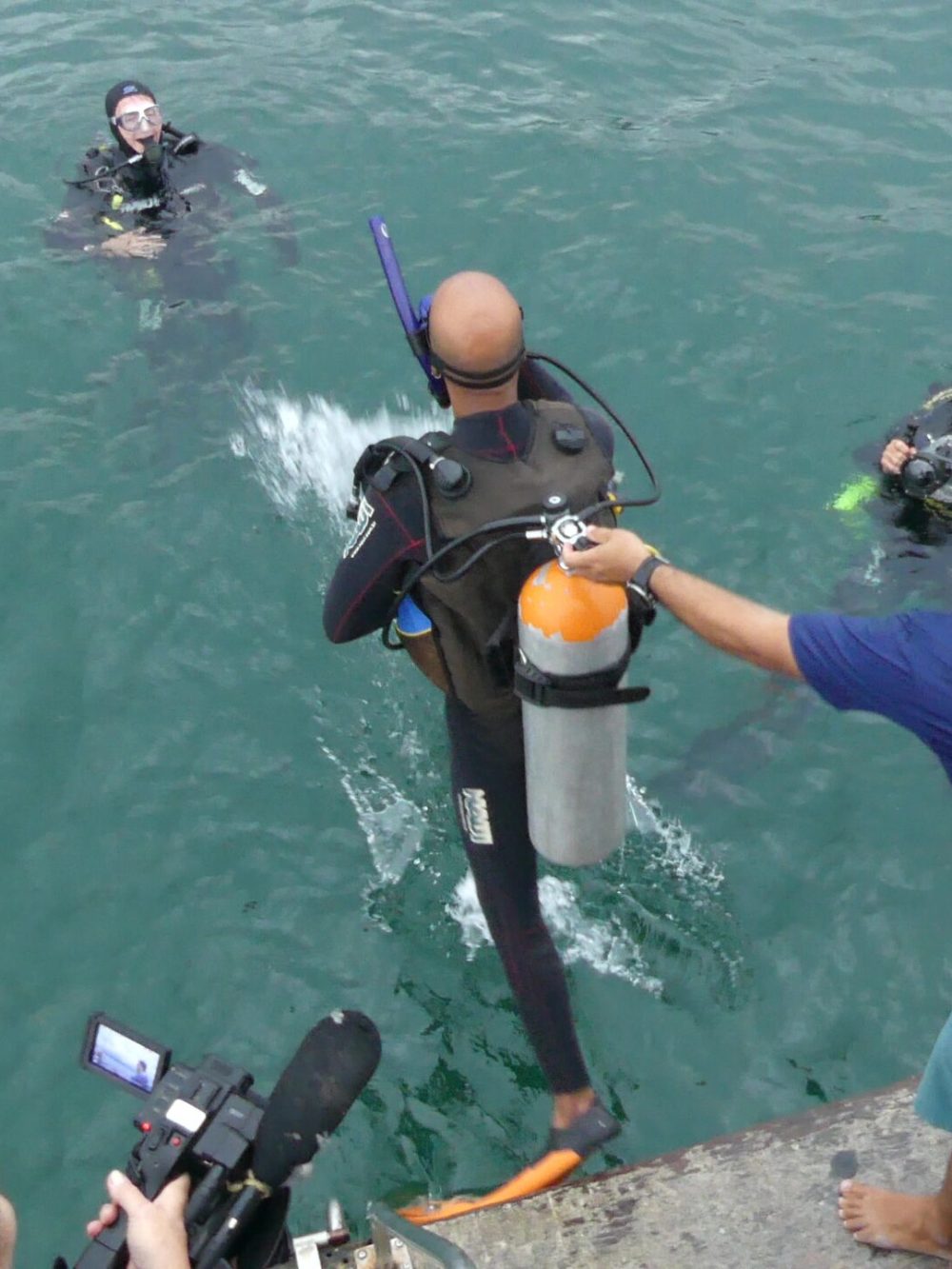
In addition to the aspects related to archaeological interpretations resulting from the methods and techniques employed during the interventions, the aim is to disseminate the knowledge produced to the wider public, as well as to discuss the possibility of musealization of the studied cultural assets. This may involve in situ underwater tourism or, through the systematic documentation conducted, the virtual reconstruction of the remains of these vessels for visitors who do not dive. The goal is to ensure the public dissemination and social engagement with the Underwater Cultural Heritage connected to the African Diaspora.
Thus, the social use and sustainability of underwater cultural heritage are encouraged, taking into account the participation and involvement of local traditional communities. This ensures that they find affinities and identities with this heritage and with the archaeological research conducted on it, while also deriving benefits from the services provided to the archaeological sites, researchers, and tourists. Such participation helps maintain the preservation of the archaeological site and gives visibility to its history in the ongoing struggle for rights and recognition.