The Brig Camargo Case (1852) – Bracuí

History

FROM THE BRIG CAMARGO TO THE SANTA RITA DO BRACUÍ QUILOMBO

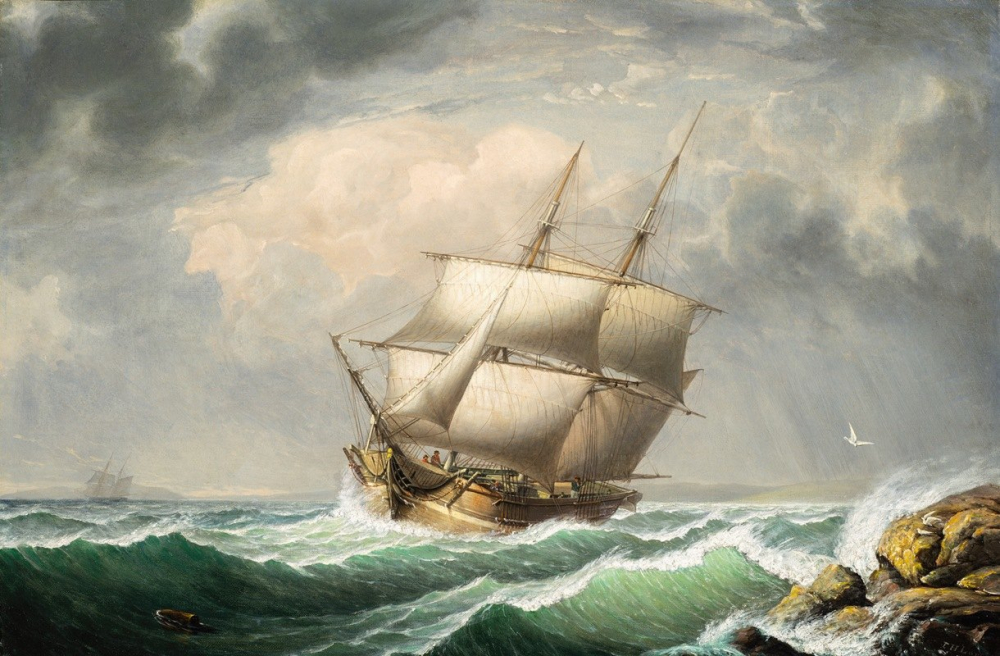
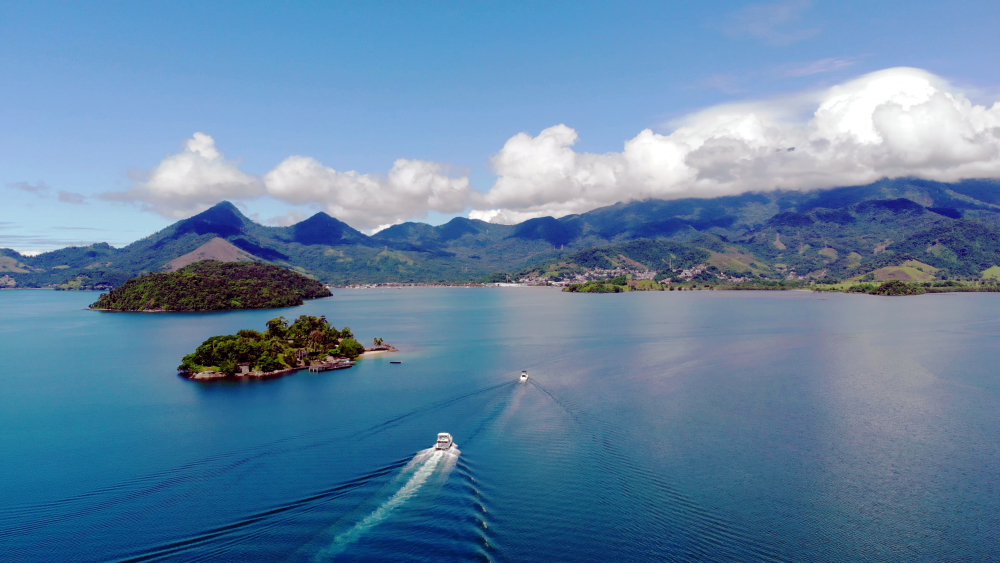
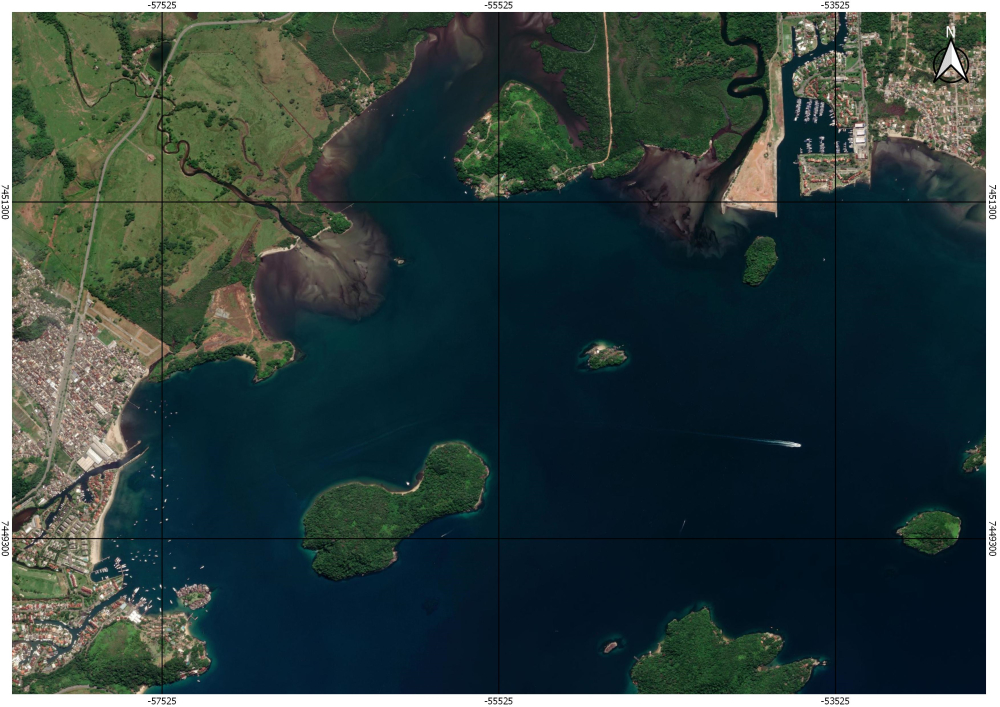
An international multidisciplinary project that located and is researching the remains of the American brig Camargo in Angra dos Reis, Rio de Janeiro, 170 years after its sinking. This is the shipwreck of one of the most famous slave ships in the world, one of the last to illegally bring enslaved Africans after the 1850 law that prohibited the African trade in the Empire.

In 1852 the slave trade was already prohibited in the Americas.
Even so, the infamous American captain Nathaniel Gordon brought the brig Camargo to Bracuí, in Angra dos Reis, Rio de Janeiro, with 500 enslaved Africans on board.

According to contemporary accounts, after unloading his tragic human cargo, he set fire to and sank the brig Camargo in order to escape the Brazilian authorities, curiously disguised as a woman. This shipwreck officially remained missing for nearly two centuries.


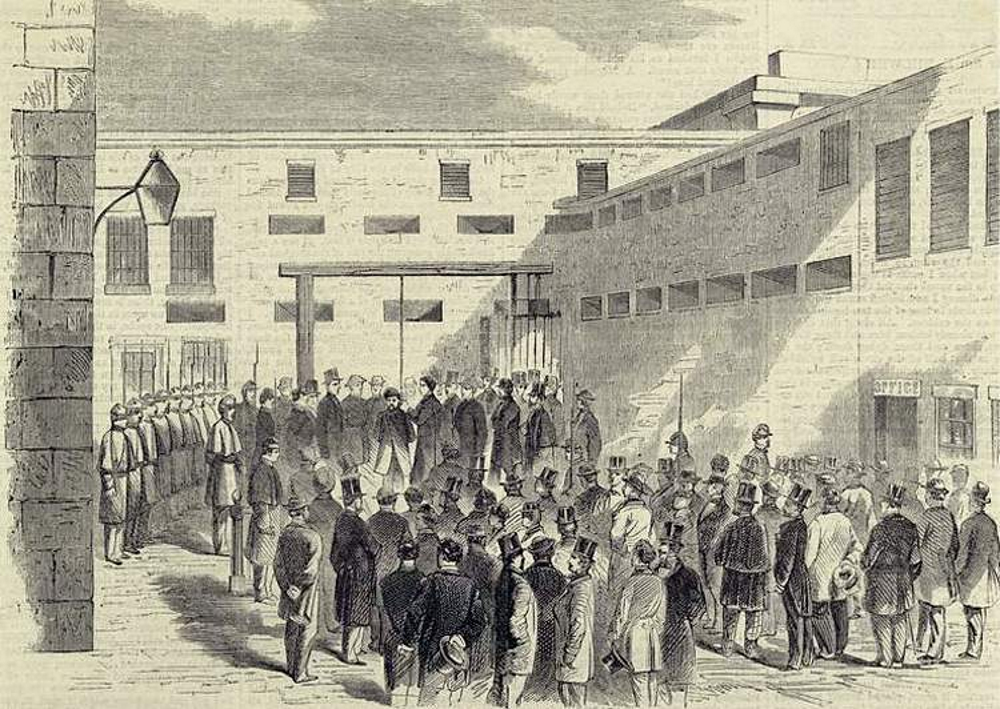
Ten years later, on another slaving voyage from the Congo to Cuba, Captain Gordon was captured and imprisoned, convicted of the same crime of trafficking enslaved people. Gordon would become the first and only slave trader to be sentenced to capital punishment in U.S. history. This was only possible because the newly inaugurated President Abraham Lincoln had decided to eliminate the illegal slave trade carried out by Americans. This is why the story of the Camargo is so significant for both Brazil and the United States.

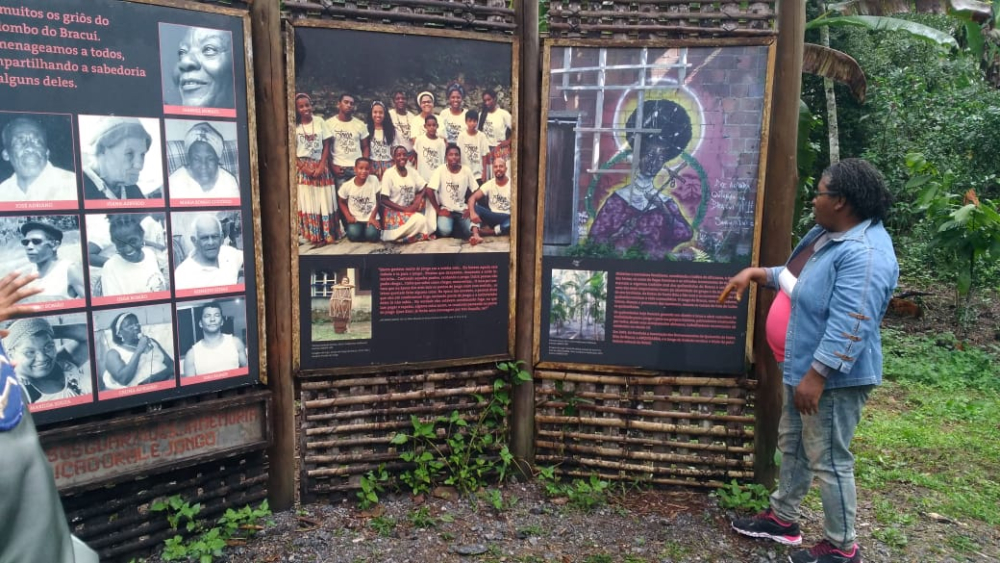
Since its conception, this project has been carried out with the direct participation of the members of the Quilombo Santa Rita do Bracuí. The community, through oral history, kept alive the story of the slave ship that was deliberately sunk in the region. This account was the starting point for the historical and archaeological research that led to the official location of the brig Camargo.

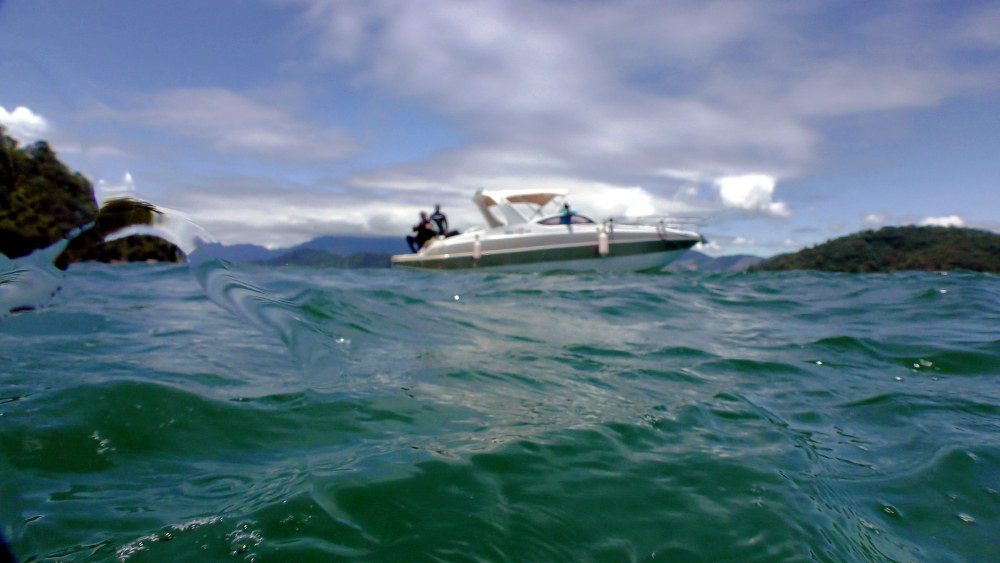
Young members of the Quilombo are learning scuba diving techniques, historical and archaeological research, and audiovisual production in order to work on this project while also gaining skills, preserving the archaeological site that is legitimately part of their history.

The project was initiated between November and December 2022 and culminated in the official location of the wreck of the brig Camargo in December 2023. The work of identification, research, and conservation is ongoing.

In this context, memory, history, and archaeology are coming together to reveal crimes against humanity and to seek reparation for the history of trafficking and slavery in Brazil, starting from Angra dos Reis.

The team holds official authorization for research in the Bay of Ilha Grande, issued by IPHAN, the National Institute of Historic and Artistic Heritage, which is the federal government body responsible for preserving invaluable archaeological sites such as this one.

In 2024, the project was the recipient of the US Ambassadors Fund for Cultural Preservation, and the research continues.

To know more about the history of the Quilombo Santa Rita do Bracuí and the  Brig Camargo, download here the e-book “História, memória e reparação”, of Marilda de Souza Francisco and Martha Abreu. 

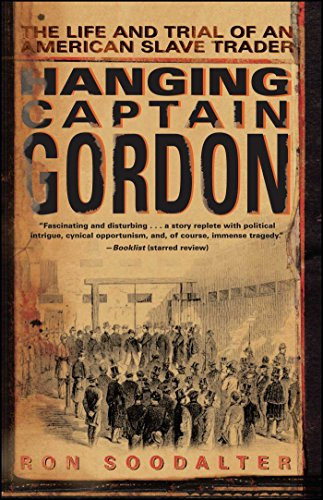
The story of Captain Nathaniel Gordon is told in the book Hanging Captain Gordon by Ron Soodalter.

BOOK AVAILABLE ON AMAZON USA: LINK